By- Divyanshi Sinha
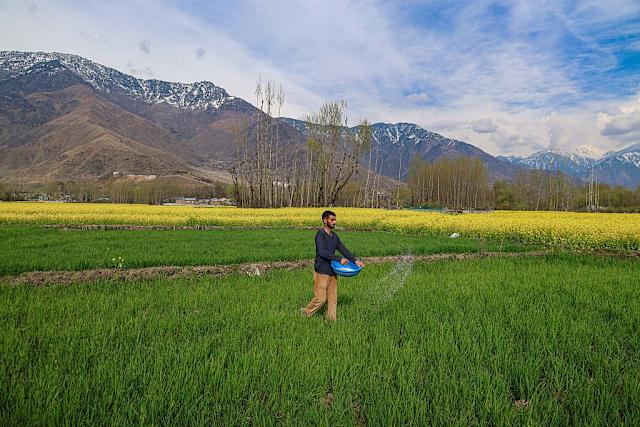
The Iran Strait crisis has unleashed a stealth environmental disaster: Gulf fertilizer plants idled by gas shortages and attacks have slashed global urea/ammonia supply by 30%, driving prices up 50% and threatening 2026-27 harvests across Asia and Africa. Qatar and Saudi Arabia declared force majeure on exports, stranding 5 million tonnes in ports while Iran's IRGC mines deter tanker traffic—India alone faces Rs 10,000 crore import hikes, per IFFCO data, hitting small farmers hardest amid monsoon delays.
This "silent bomb" breaches planetary boundaries faster than CO2: nitrogen pollution spikes from emergency stockpiles, poisoning 20% more rivers per UNEP models, while crop yields could drop 15% without alternatives—Pakistan's wheat fields already yellowing, Vietnam's rice paddies starved. Europe's "organic surge" crumbles as manure rules clash with shortages, forcing backpedals on chemical bans. Mumbai's veggie markets feel it raw: tomato prices doubled, nutrition gaps widen in slums.
Green groups decry it as "war on soil"—IEA's 400M-barrel oil release ignores fertilizer voids, with no strategic reserves like SPRs. Solutions scramble: India's nano-urea push scales via RC F plants, Brazil eyes soy rotations, but experts warn food inflation could hit 20% by Diwali. For urban Indians, balcony gardens boom with vermicompost hacks, turning crisis to community resilience. This blockade isn't just energy—it's an assault on earth's fertility, reminding us nature pays war's hidden bills