By- Divyanshi Sinha
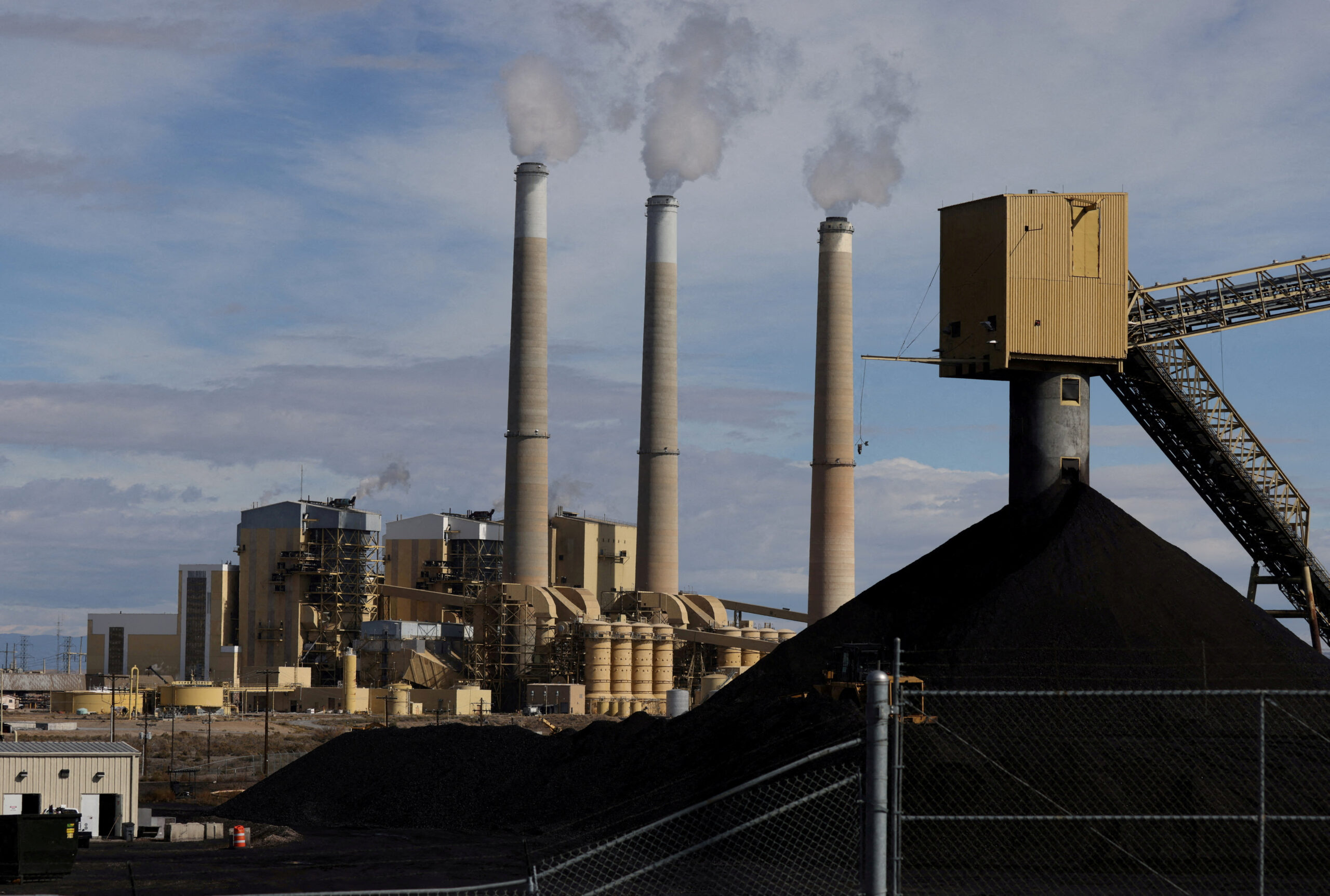
Italy's parliament voted this week to push back the closure of its four remaining coal-fired power plants until 2038—13 years beyond the EU's 2025 decarbonization deadline—sparking outrage from greens while right-wing leaders hail it as a "responsible" shield against the Hormuz blockade's oil crunch. The plants, kept on standby since last year, now get a lifeline as Iran’s retaliation has choked 20-25% of global oil flows, jacking Italy's import costs by 21% and threatening blackouts amid winter demand peaks.
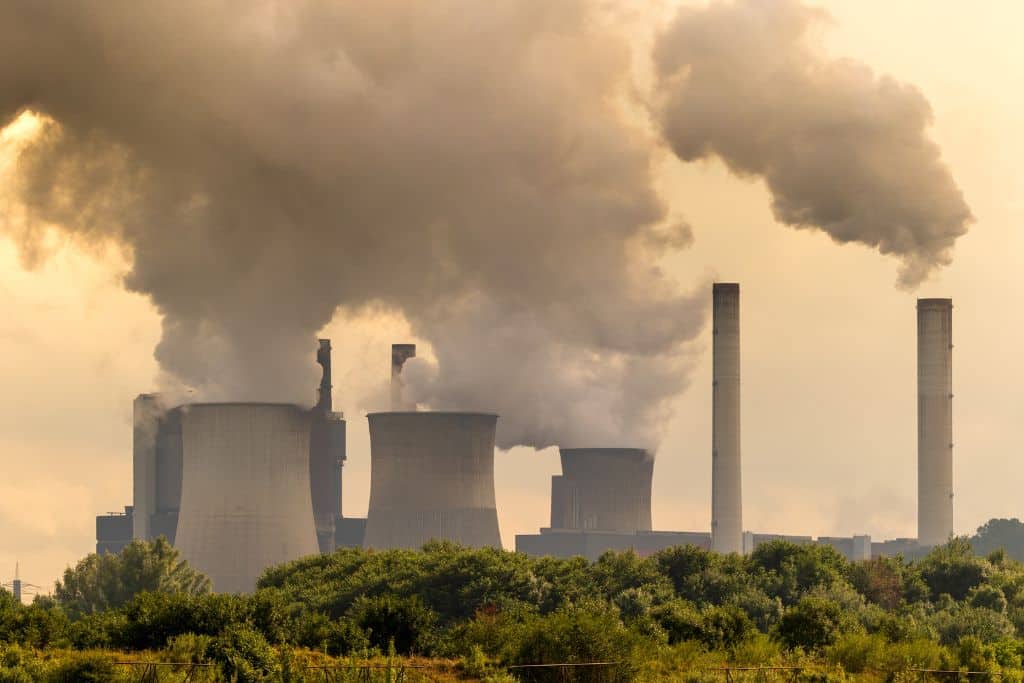
Supporters from the League party argue the delay buys time for LNG imports and renewables ramp-up, but critics like Legambiente warn it locks in dirty coal—the top carbon emitter—for another decade, undermining EU net-zero goals and worsening Mediterranean air toxins already linked to 50,000 annual deaths. Coal's cheap reliability shines in crisis: Italy's grid dodged collapse last month thanks to these idled units, but emissions could surge 15% per Greenpeace models, clashing with the bloc's 55% cut pledge.
Global ripple hits India hard—Mumbai's thermal plants eye similar extensions amid Adani coal imports up 30% from Hormuz diversions, per CSE data. Azerbaijan's World Environment Day 2026 hosting spotlights "resilient futures," ironic as fossil rebounds mock it. Environmental suits loom in Brussels, mirroring US EPA mercury rollback battles where Biden-era toxics caps got axed, spiking coal emissions risks. For urban Indians, this means sustained veggie price hikes from fertilizer shortages (Gulf ammonia down 30%) and dirtier Diwali air. Italy's pivot reveals crisis truth: green dreams bend to survival when straits choke.