By- Divyanshi Sinha
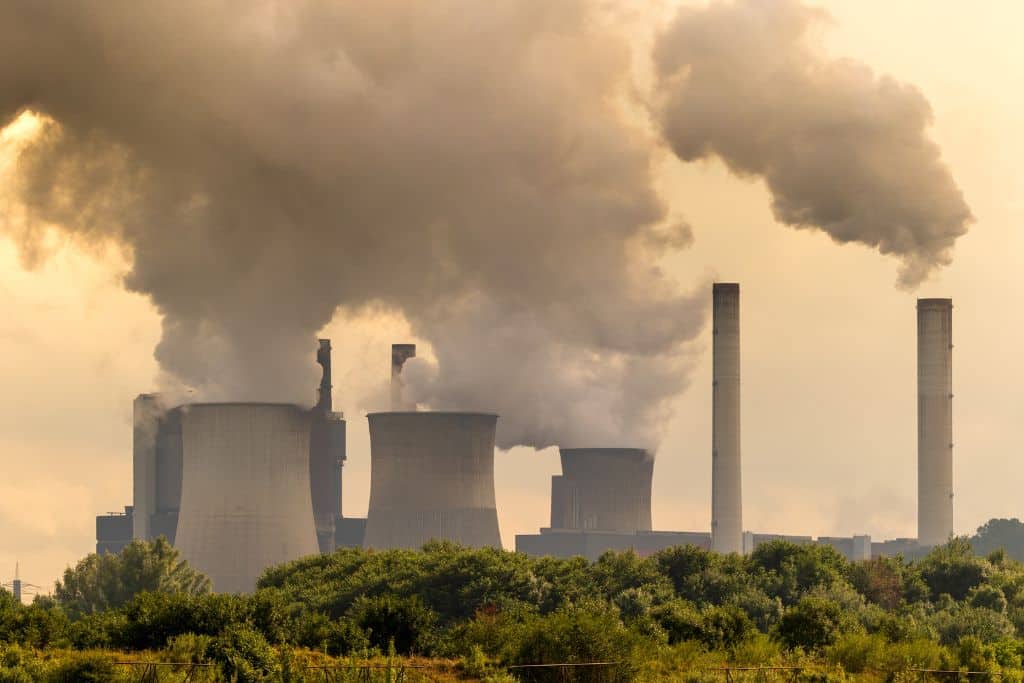
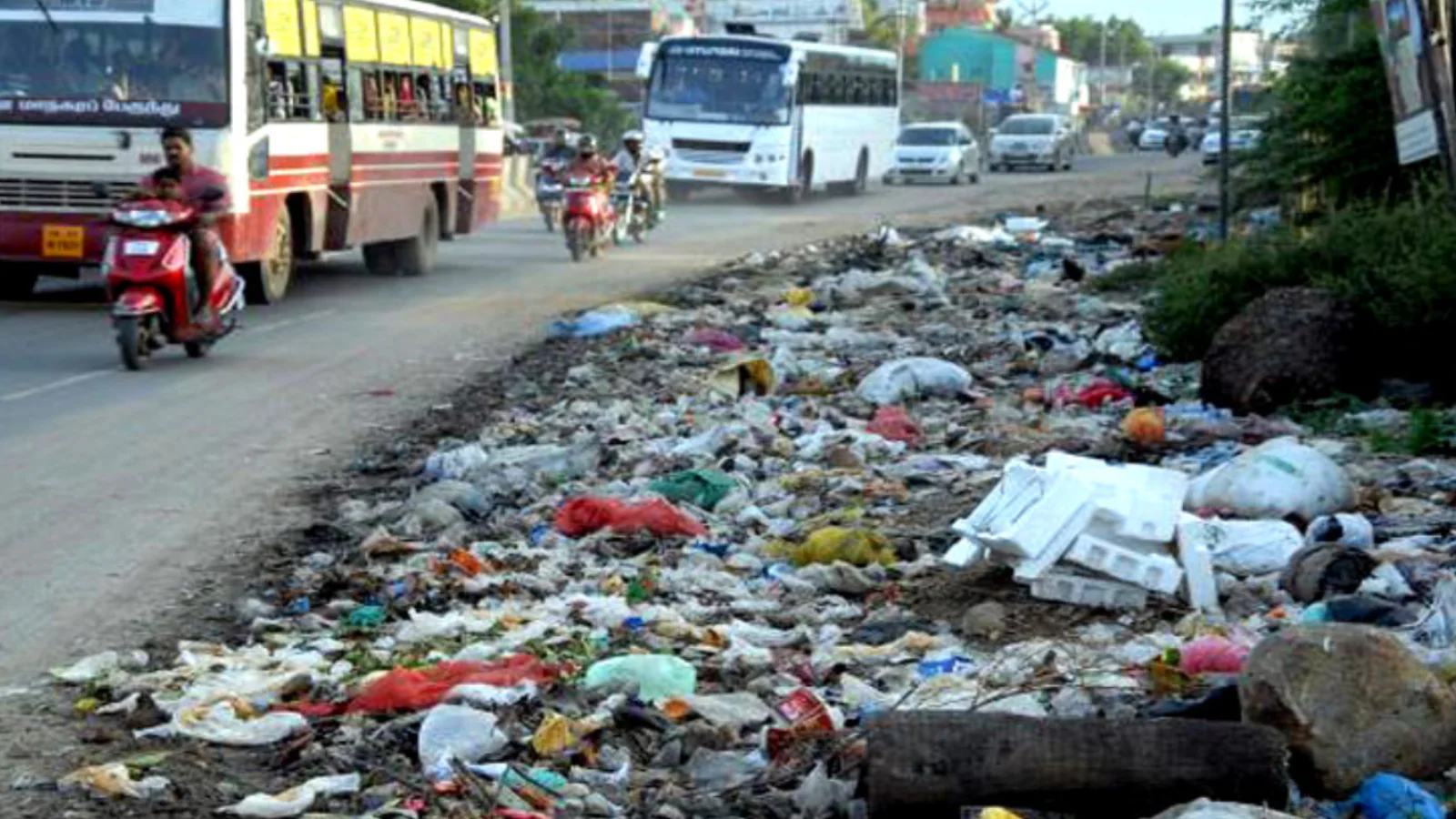
India's new Solid Waste Management (SWM) Rules 2026, notified under the Environment (Protection) Act, 1986, take full effect from April 1, marking a overhaul of the 2016 framework. Key mandates include four-stream segregation (wet, dry recyclables, sanitary/domestic hazardous, electronic), Extended Bulk Waste Generator Responsibility for industries/hotels, and a centralized online portal for tracking waste from cradle to grave.
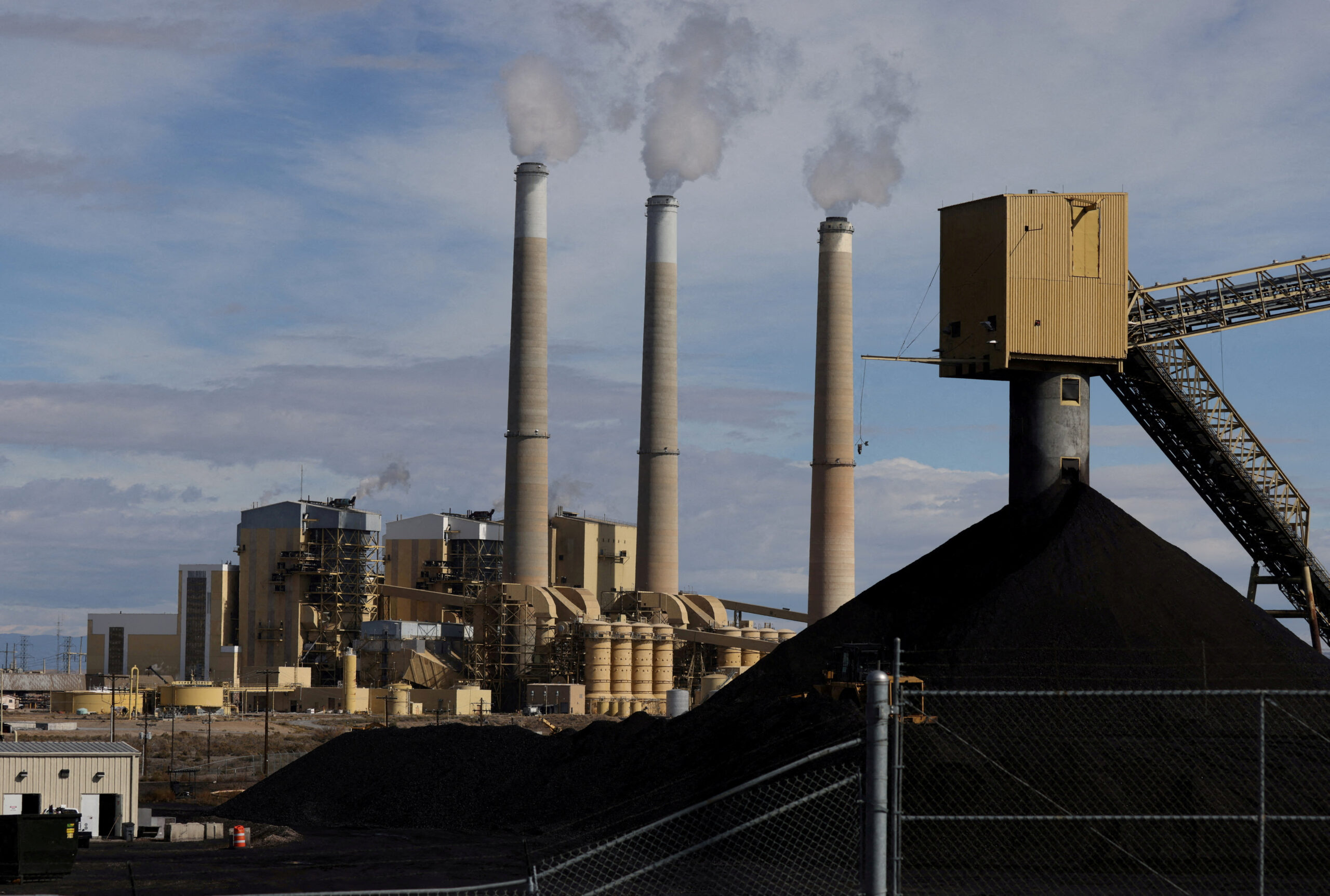
Enforcing the 'Polluter Pays' principle, urban local bodies (ULBs) must promote Refuse Derived Fuel (RDF) use in cement plants, phasing out untreated landfilling. Bulk generators like Mumbai's malls face fines for non-compliance, while gig workers get formal registration. This targets India's 62 million tonnes annual urban waste, projected to hit 165 million by 2030, amid choking landfills like Mumbai's Deonar.
Critics note gaps: Only 15% of Indians near air monitors, mirroring waste tracking voids, per State of India's Environment 2026. Yet, nature-based fixes like wetland restoration could synergize. Environment Minister Bhupender Yadav hails it as "Swachh Bharat 2.0," but experts urge enforcement muscle.
For Mumbai creators like you, this is video gold: Document segregation drives, interview waste pickers transitioning to formal jobs, animate the portal demo. Pair with heatwave coverage for a sustainability series boost engagement on LinkedIn.