By Souvik Sarkar
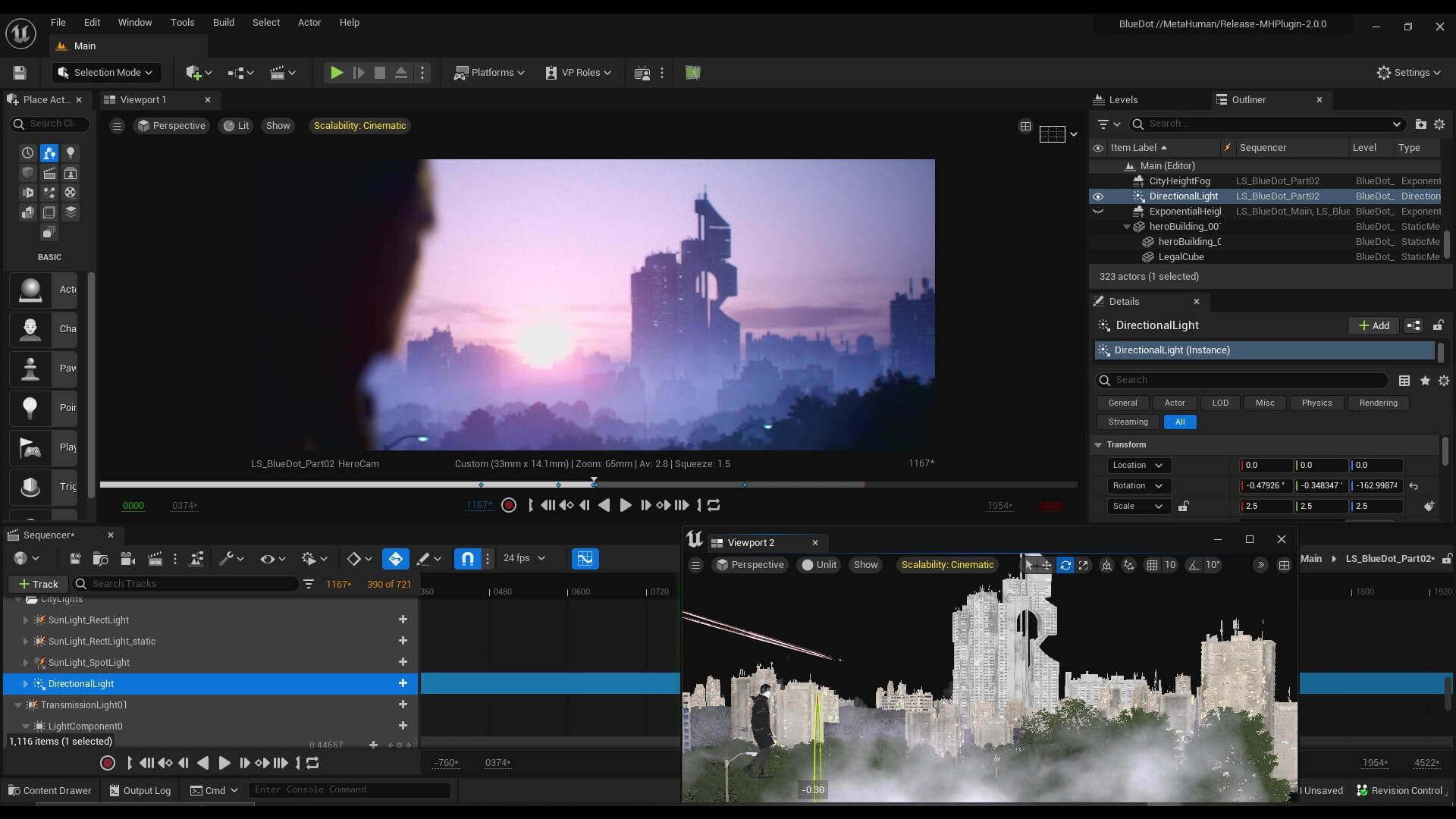
Animation and Computer-Generated Imagery (CGI) have evolved from niche artistic tools into powerful storytelling mediums that shape modern entertainment, education, and digital experiences. From blockbuster films and immersive video games to virtual reality and interactive learning, animation and CGI are no longer just visual enhancements—they are foundational to how stories are created and consumed. As technology continues to advance, the future of animation and CGI promises a dynamic fusion of creativity, artificial intelligence, and real-time interactivity.
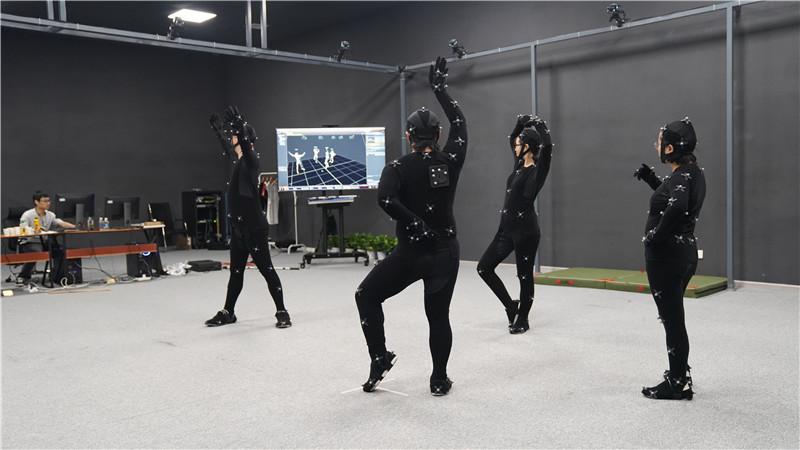
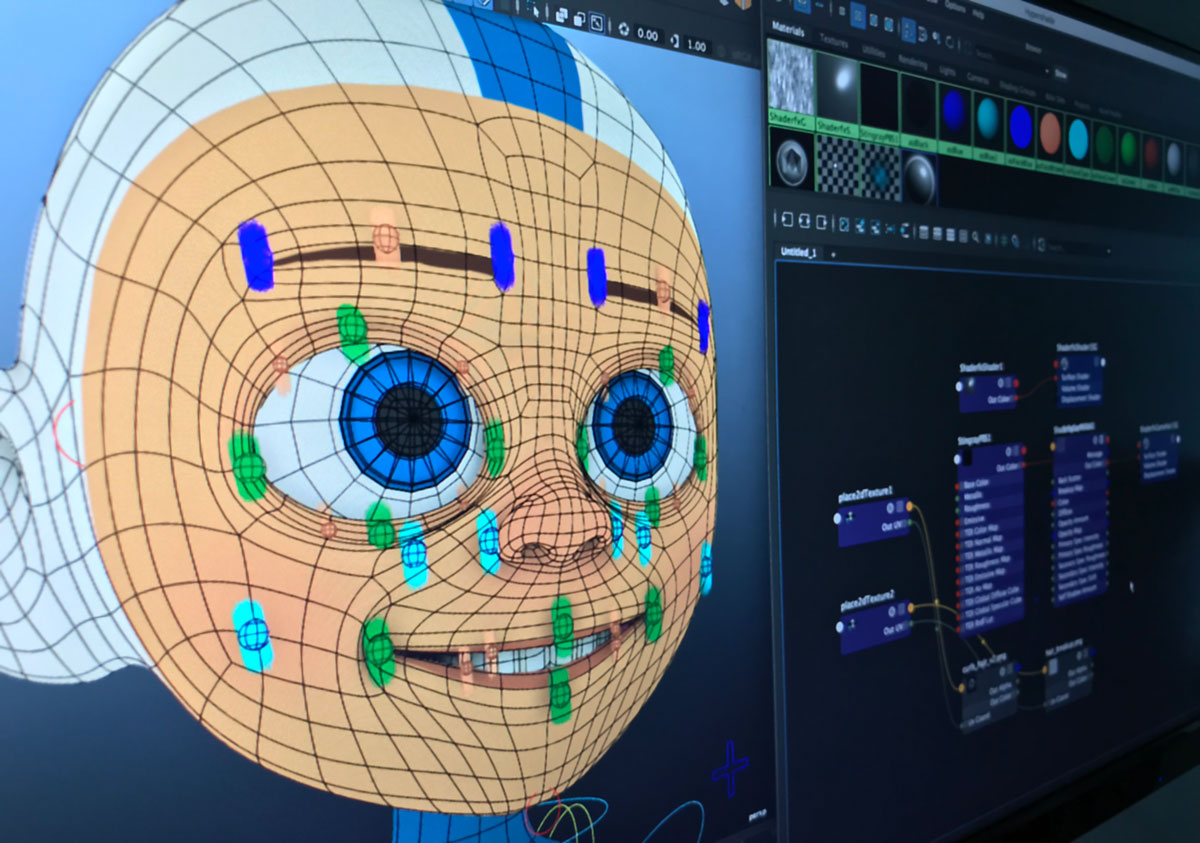
One of the most transformative forces in animation today is the integration of artificial intelligence and machine learning. Tasks that once required hours of manual work—such as rigging, motion capture cleanup, and rendering—are increasingly being automated. AI-driven tools can generate realistic character movements, simulate natural environments, and even assist in storytelling by predicting audience engagement. This shift not only speeds up production pipelines but also empowers smaller studios and independent creators to produce high-quality content without massive budgets.
The rise of immersive technologies like virtual reality (VR) and augmented reality (AR) is also redefining animation. Instead of passively watching content, audiences can now step inside animated worlds. This opens up new possibilities for storytelling, education, and simulation-based training. Imagine history lessons where students walk through ancient civilizations or medical training where learners interact with realistic 3D anatomy. Animation becomes not just a visual medium, but an experiential one.
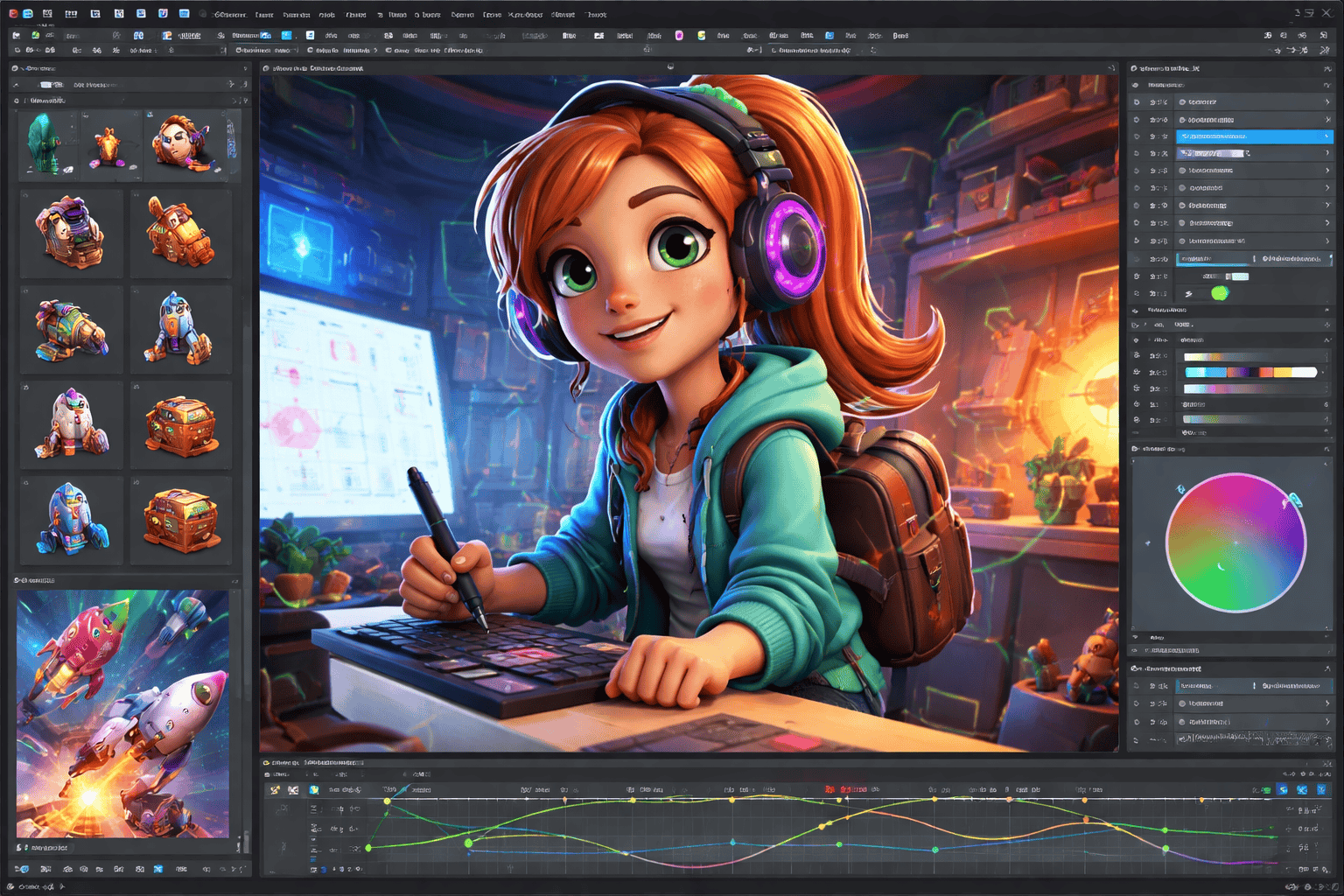
Looking ahead, the role of animation and CGI in education and student learning is set to expand significantly. Interactive animations can simplify complex concepts, making learning more engaging and accessible. Students can experiment, visualize, and create their own digital content, fostering both technical skills and creative thinking. As digital literacy becomes increasingly important, animation tools will likely become a standard part of educational curricula.