By Souvik Sarkar
The rapid advancement of robotics and automation has sparked one of the most debated questions of our time: Will humans eventually be replaced by machines? From factory floors to offices and even creative industries, intelligent machines are becoming more capable, efficient, and autonomous. While this transformation is undeniable, the reality is far more complex than a simple replacement narrative.
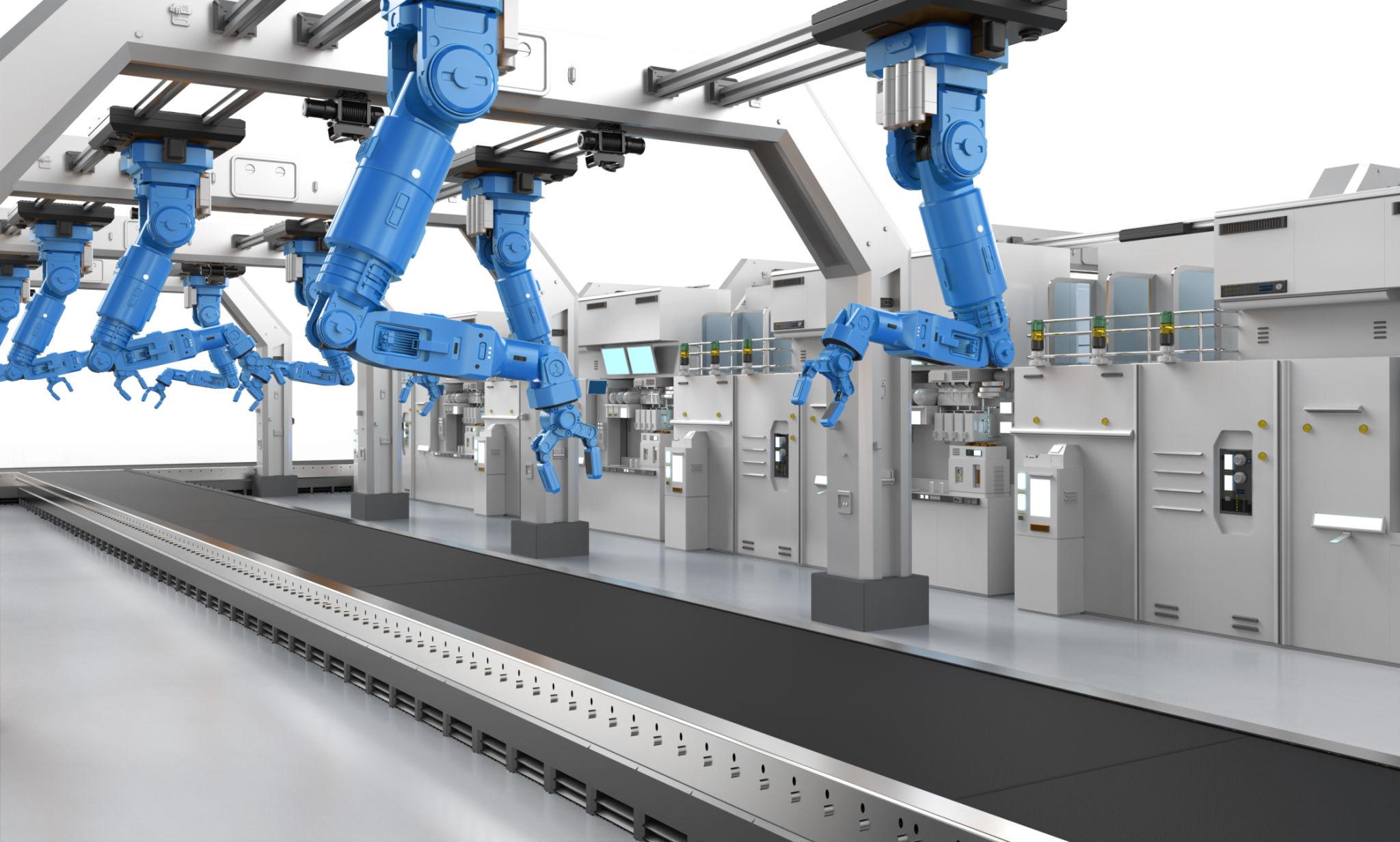
Automation has already reshaped industries by taking over repetitive, time-consuming, and physically demanding tasks. In manufacturing, robots assemble products with precision and speed. In logistics, automated systems manage warehouses and streamline delivery processes. Even in customer service, AI-powered chatbots handle basic queries, improving efficiency and reducing costs.
However, replacing humans entirely is not as straightforward as it may seem. Machines excel at tasks that are structured and predictable, but they struggle with creativity, emotional intelligence, critical thinking, and complex decision-making. These are inherently human strengths that remain difficult to replicate. For example, while a robot can assemble a car, it cannot easily design a compelling story, lead a team with empathy, or innovate beyond programmed logic.
Rather than full replacement, the future is leaning toward collaboration between humans and machines. This concept, often called “augmented intelligence,” focuses on using technology to enhance human capabilities instead of replacing them. In many workplaces, robots handle repetitive tasks, allowing humans to focus on strategy, creativity, and problem-solving. This shift not only increases productivity but also improves job satisfaction by reducing monotonous work.
That said, the concern about job displacement is real. Certain roles—especially in manufacturing, data entry, and routine services—are at higher risk of automation. This makes reskilling and upskilling essential. As technology evolves, new job opportunities are emerging in areas like robotics maintenance, AI development, data analysis, and digital design. The challenge lies in preparing the workforce to transition into these new roles.
Another important aspect is ethics and responsibility. As automation becomes more widespread, questions arise about economic inequality, job security, and access to opportunities. Governments, industries, and educational institutions must work together to ensure that the benefits of automation are distributed fairly and that no group is left behind.
Interestingly, automation is also opening doors in fields like healthcare, where robots assist in surgeries, and in disaster management, where machines can operate in dangerous environments. These applications highlight that robotics is not just about efficiency—it can also enhance safety and save lives.
In conclusion, robotics and automation are not here to replace humans entirely but to redefine the nature of work. The future will likely be a hybrid ecosystem where humans and machines coexist, each contributing their unique strengths. The key to thriving in this new era lies in adaptability, continuous learning, and embracing technology as a partner rather than a competitor.