By Souvik Sarkar
Artificial Intelligence (AI) is no longer a futuristic concept confined to science fiction—it has become an integral part of our everyday lives. From unlocking smartphones with facial recognition to receiving personalized recommendations on streaming platforms, AI is quietly working behind the scenes to make our daily experiences faster, smarter, and more convenient.
One of the most noticeable impacts of AI is in personalization. Platforms like streaming services, e-commerce websites, and social media apps use AI algorithms to analyze user behavior and preferences. This allows them to suggest movies, products, or content tailored specifically to each individual. While this enhances user experience, it also raises important questions about data usage and privacy.
AI is also transforming how we interact with technology through voice assistants and smart devices. Whether it’s setting reminders, controlling home appliances, or searching for information, AI-powered assistants have made technology more accessible and intuitive. Smart homes, powered by interconnected AI systems, can automate lighting, temperature, and security, improving both comfort and efficiency.
In the field of healthcare, AI is playing a revolutionary role. It helps doctors diagnose diseases faster and more accurately, predict patient outcomes, and even assist in robotic surgeries. Similarly, in education, AI-driven tools are personalizing learning experiences, helping students understand concepts at their own pace.
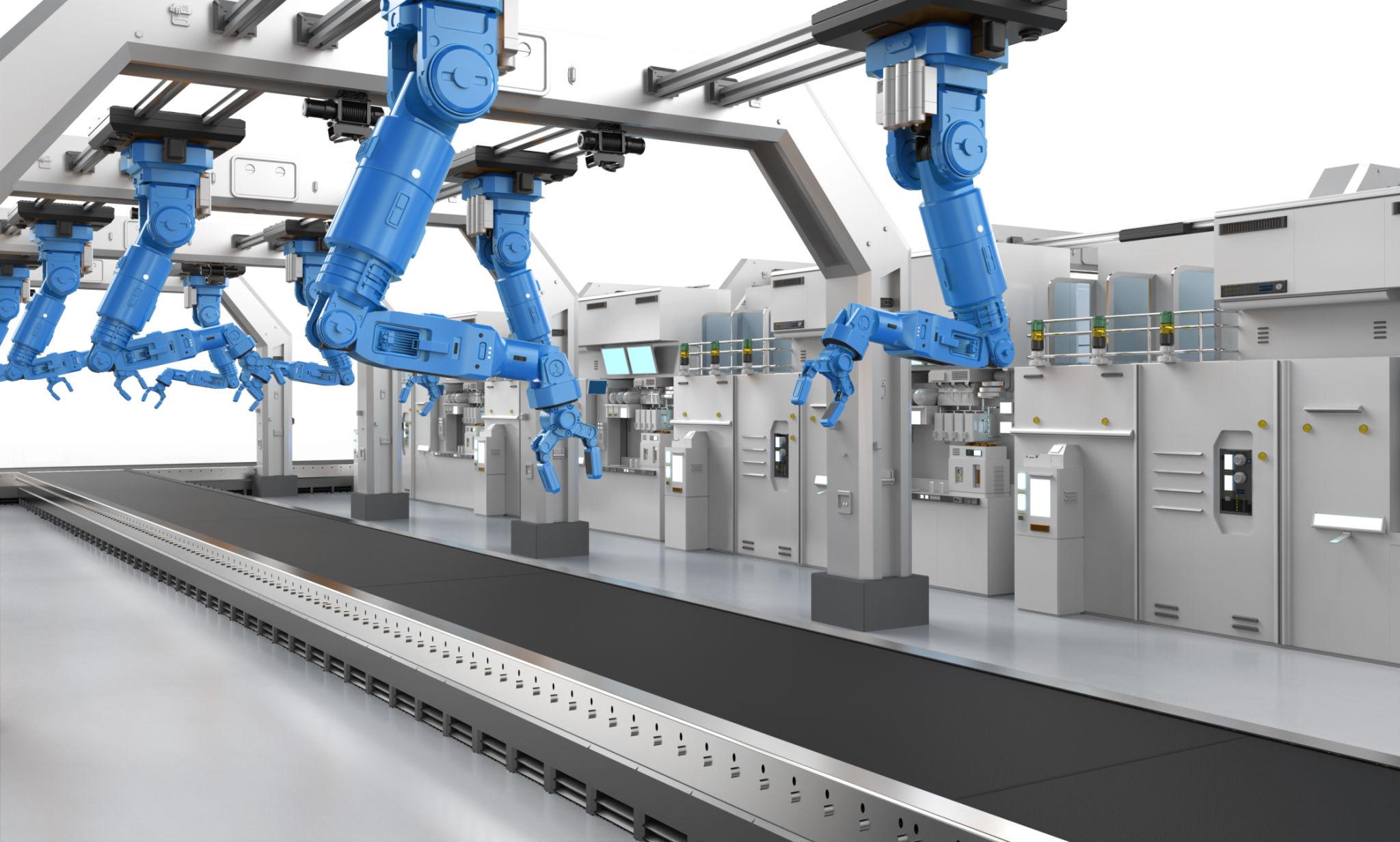
However, the rise of AI also brings significant challenges. One major concern is job displacement. As automation becomes more advanced, certain roles—especially repetitive and manual jobs—are at risk of being replaced. This creates a need for reskilling and adapting to new types of work that require creativity and critical thinking.
Another pressing issue is data privacy. AI systems rely heavily on large amounts of personal data to function effectively. Without proper regulations, there is a risk of misuse or unauthorized access to sensitive information. Ethical concerns, such as bias in AI algorithms, also need to be addressed to ensure fairness and inclusivity.
Despite these challenges, AI offers immense potential for positive change. It can help solve complex global problems, from climate change to healthcare accessibility. The key lies in using this technology responsibly—balancing innovation with ethical considerations.
In conclusion, the rise of AI in everyday life is reshaping how we live, work, and interact with the world. It is a powerful tool that, when used wisely, can enhance human capabilities rather than replace them. As we move forward, understanding both the opportunities and challenges of AI will be essential in shaping a future that benefits everyone.