By- Divyanshi Sinha
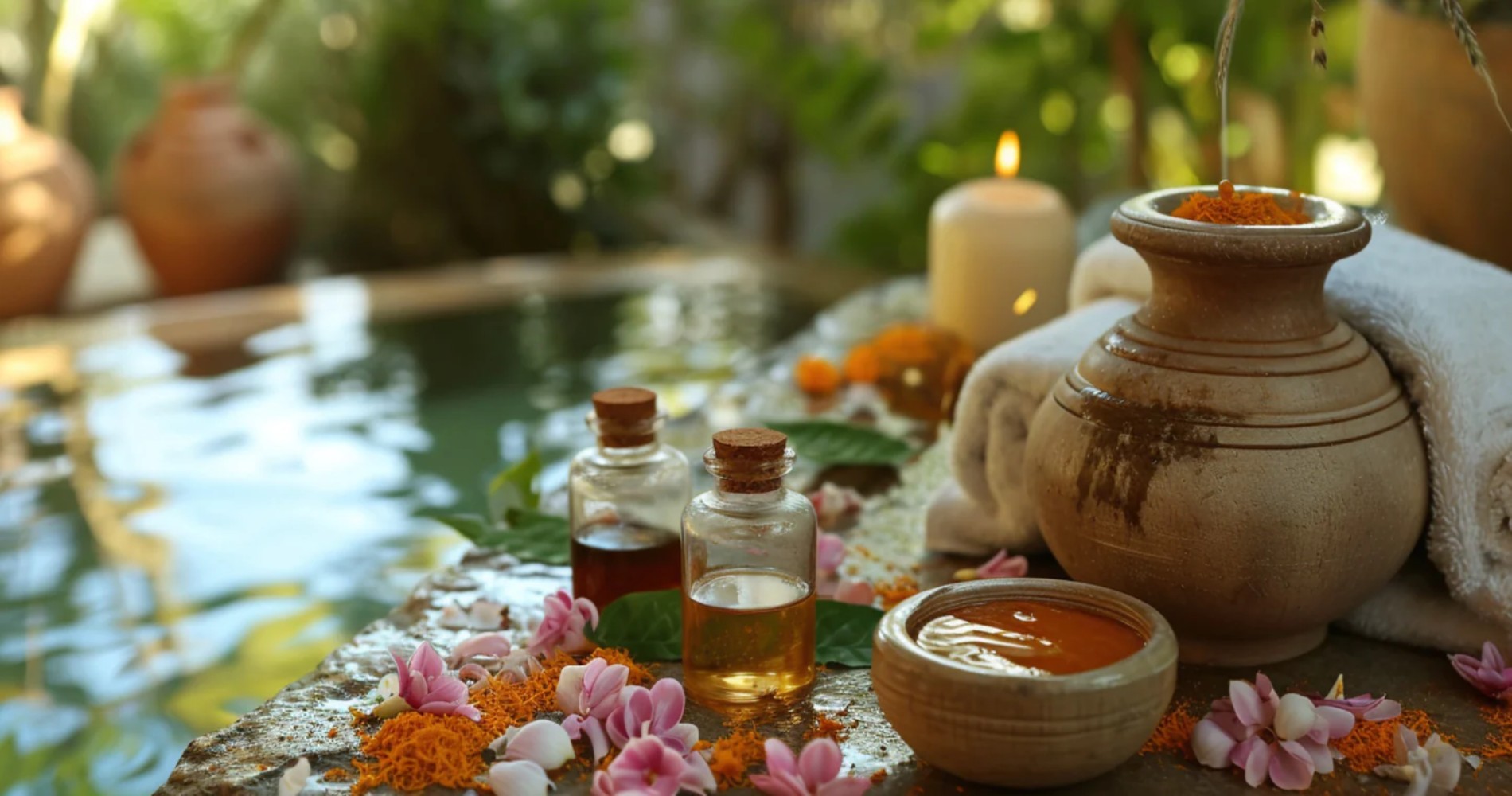
Ayurveda, India's ancient healing system, is exploding in 2026 as urbanites fuse it with AI apps and wearables for custom dosha-based routines, ditching one-size-fits-all fads. Mumbai's millennials and Gen Z, juggling WFH and traffic jams, are downloading apps like NirogStreet and AyurAI that scan pulse via phone cameras to prescribe personalized oils, teas, and yoga—sales of at-home kits up 150% on Nykaa. This blend addresses modern woes like screen-induced pitta imbalance (acne, anger spikes) and vata anxiety from doom-scrolling Hormuz headlines, with triphala churnas and abhyanga massages becoming desk-drawer staples.
Celebrities like Deepika Padukone fuel the fire, sharing Instagram Reels of nasya drops for focus before shoots, while clinics in Bandra report 50% client growth for panchakarma lite sessions under Rs 5,000. Experts note it's not just hype: a Fitterfly study shows 40% cortisol drops after 30 days of dosha diets (kapha folks loving light khichdis), syncing with Mumbai's monsoon-ready immunity needs. Affordable innovation shines—Rs 300 monthly subscriptions deliver dosha teas to your door, outperforming pricey Ozempic imports amid oil-driven veggie hikes.
The shift empowers women especially, with apps tracking menstrual cycles via Ayurvedic herbs like shatavari, cutting PMS by 25% per user logs. Skeptics call it "wellness washing," but with AYUSH Ministry backing 500 new urban centers, it's reshaping beauty routines: think kumkumadi oil facials over serums for that dewy, stress-free glow. For busy anchors like you, start simple: sip brahmi tea pre-broadcast for calm delivery, and log your prakriti online—your personalized path to sustained energy awaits in this quiet revolution blending roots with tech.