By- Divyanshi Sinha
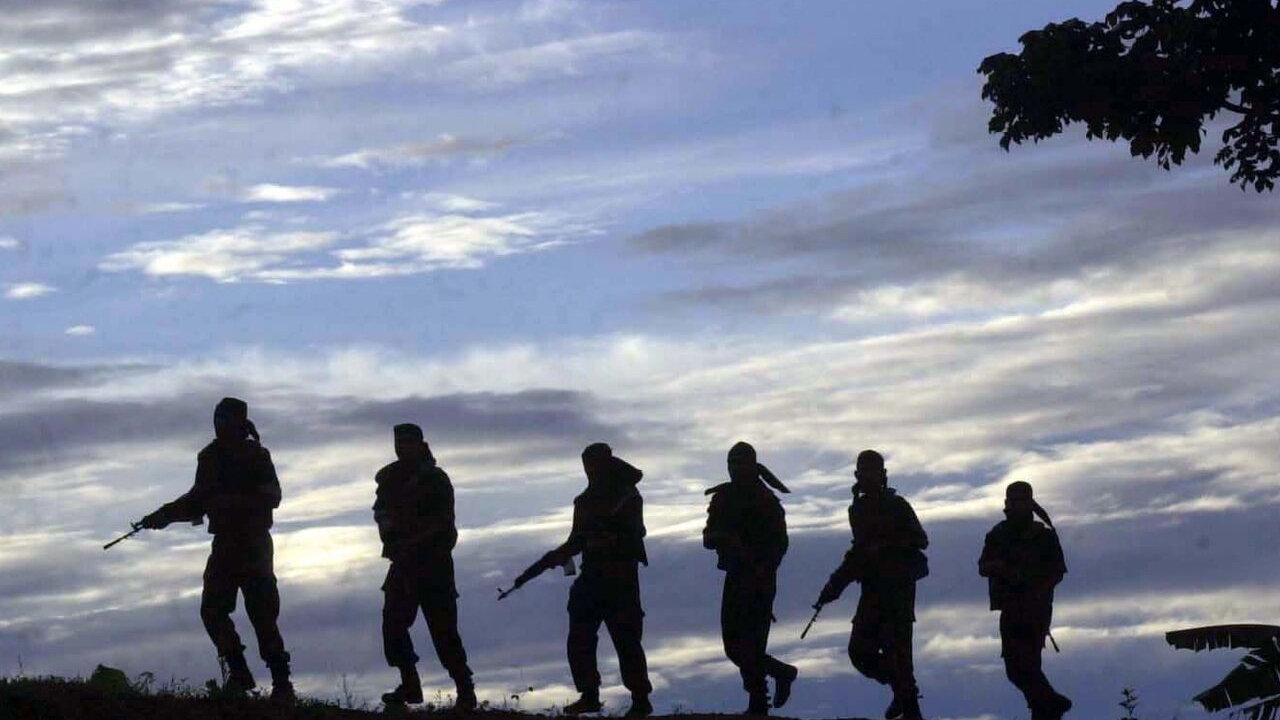
Home Minister Amit Shah's March 30, 2026, declaration of India as "Naxal-free" marks a milestone: 4,839 Maoists surrendered, 2,218 arrested, 706 neutralized over three years of relentless operations. From Chhattisgarh's Bastar to Bihar's hills, security forces dismantled the red corridor, meeting Shah's self-imposed deadline. This caps decades of insurgency that claimed 10,000+ lives since 2000, boosting Modi's strongman credentials pre-2026 polls.
Yet editorials caution triumph's fragility: Military wins must birth inclusive growth, or voids refill. Tribals, long pawns in the Maoist war, face crony capitalism mining barons eyeing mineral-rich lands sans Adivasi consent. Bastar's 40% forest cover hides malnutrition rates double national averages; PESA Act implementation lags, fueling alienation. Kerala's silver economy op-ed parallels: Ageing India needs equitable red-tapism, not exploitation.
My stance: Celebrate ops success, but pivot to SAMADHAN—Smart Leadership via ₹1 lakh crore tribal welfare. Aspirational districts like Dantewada demand schools, roads, not just rifles. Mumbai's urban parallels? Slum rehab fails without jobs—scale micro-enterprises, 5G connectivity. Critics cry premature victory amid 2026 Left surges; data shows violence down 70%, but ideology lingers.
For journalists, probe ground realities: Will ₹15,000 crore Amaravati model reach red heartlands? Content gold—drone over Bastar, ex-Maoist interviews, policy breakdowns.
Naxal defeat won now win the peace.